


Screens are no longer limited to flat, rigid surfaces. flexible displays have changed expectations around how devices look, feel, and function. By allowing screens to bend, fold, and curve, this technology is opening doors to entirely new product designs and user experiences.
What Makes Flexible Displays Possible
Flexible displays are built using thin, pliable substrates instead of traditional glass. Materials such as plastic polymers allow screens to bend without cracking while still supporting high-resolution visuals.
Advanced manufacturing techniques deposit display components onto these substrates with extreme precision. The result is a screen that maintains brightness, color accuracy, and responsiveness even when curved or folded.

Why Flexible Displays Matter
The appeal of flexible displays goes beyond aesthetics. Their lightweight and durable nature reduces device fragility while enabling compact designs. Foldable phones, rollable tablets, and curved wearables benefit directly from this flexibility.
From a usability perspective, flexible screens adapt better to human movement. Devices feel more natural in the hand and can change shape based on context, improving comfort and efficiency.
Key Applications in Consumer Technology
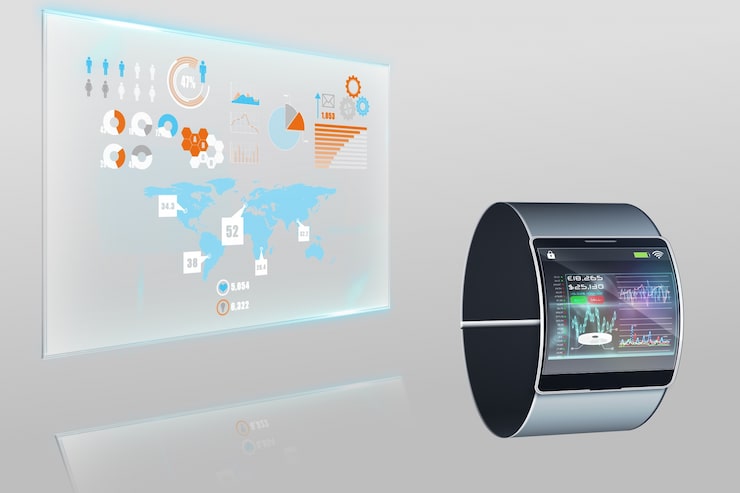
Smartphones were the first mainstream products to showcase flexible screens, but adoption has expanded quickly. Wearables use curved displays for better ergonomics, while automotive dashboards integrate flexible panels to match interior contours.
In industrial and medical settings, flexible displays support portable equipment where space and durability are critical. Their adaptability allows designers to rethink traditional layouts and interfaces.
Manufacturing and Cost Challenges
Producing flexible screens at scale requires specialized equipment and strict quality control. Yield rates can be lower than conventional displays, increasing costs.
However, ongoing improvements continue to reduce production complexity. As demand grows and processes mature, prices are expected to decline, making flexible displays more accessible across markets.
The Road Ahead
Future developments focus on improved durability, higher refresh rates, and energy efficiency. As devices become more dynamic, flexible screen technology will remain central to innovation.
Near the end of discussions about next-generation hardware, flexible displays consistently stand out as a defining feature of modern device design.