


Space exploration depends on precise and powerful motion control. rocket propulsion provides the force needed to lift vehicles beyond Earth’s gravity and guide them through space with accuracy.
Principles of Rocket Propulsion
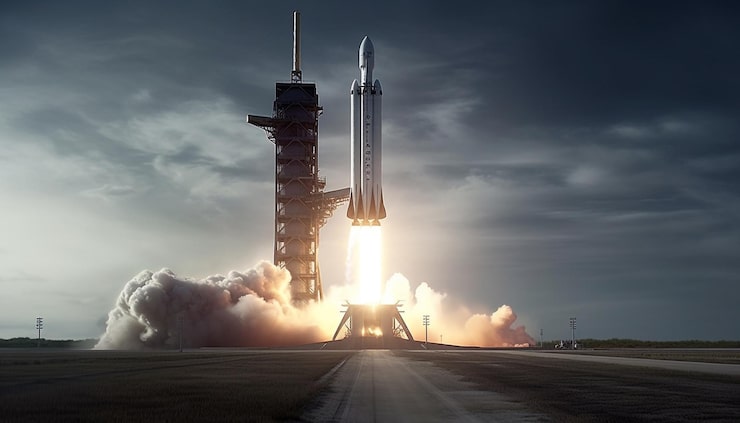
Rocket engines operate on Newton’s third law. By expelling exhaust at high speed, the vehicle experiences an equal and opposite force that produces thrust.
Different propellants and engine designs determine efficiency, thrust levels, and mission suitability. Chemical reactions remain the most common method for generating propulsion.
Types of Propulsion Systems
Chemical propulsion delivers high thrust for launches and maneuvers. Electric propulsion offers greater efficiency for long-duration missions, though with lower thrust.
Each system serves specific mission profiles, balancing power, fuel consumption, and control requirements.
Engineering Challenges
Designing rocket propulsion systems involves extreme conditions. Engines must withstand high temperatures, pressures, and vibrations while maintaining reliability.
Precision manufacturing and rigorous testing ensure performance and safety. Continuous innovation improves efficiency and reduces weight, expanding mission possibilities.
Role in Modern Space Missions
Propulsion systems support satellite deployment, interplanetary travel, and orbital adjustments. Advances in propulsion technology enable longer missions and more ambitious exploration goals.
Reusable engines also reduce launch costs, reshaping the economics of spaceflight.
The Path Forward
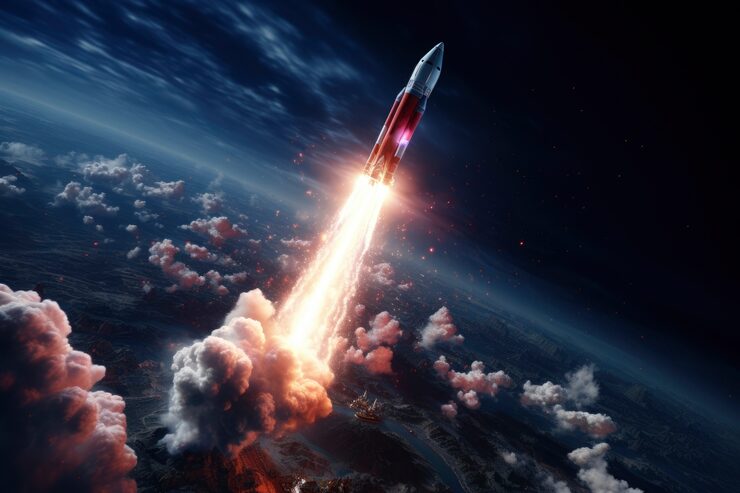
Future developments focus on efficiency, sustainability, and deeper space capability. As missions extend farther, rocket propulsion remains the driving force behind humanity’s reach into space.