

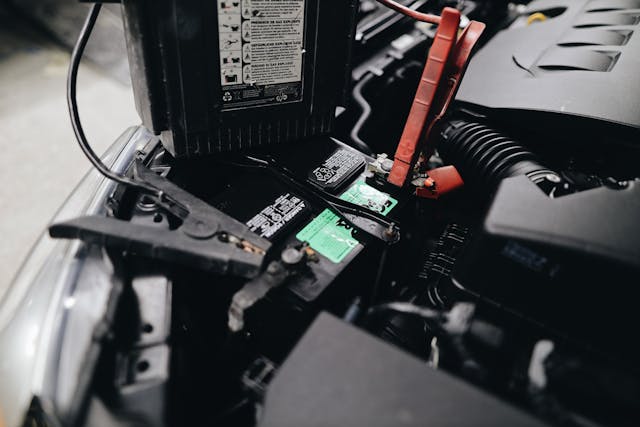
Jump cables are an essential, yet often overlooked, tool every automobile owner should keep in their vehicle. Whether you’re a daily commuter, road trip enthusiast, or a weekend driver, having a reliable pair of jumper cables can save you from the frustration and helplessness of a dead car battery. In the automobile niche, jump cables stand out as a lifesaver, offering a quick and efficient solution to one of the most common vehicular problems: battery failure.
Jump cables, also known as booster cables, connect the battery of your disabled vehicle to that of another running vehicle, allowing the dead battery to draw power and start the engine. This simple yet effective electrical bridge can get you back on the road within minutes, without the need for professional roadside assistance, which can be costly and time-consuming.
How Do Jump Cables Work?
Each jump cable consists of a pair of heavy-duty insulated wires, usually color-coded red and black for positive and negative terminals respectively. By connecting the cables to the corresponding positive (+) and negative (-) terminals of both batteries—taking care to connect the last negative clamp to an unpainted metal surface on the disabled vehicle rather than the battery terminal—you create a circuit that allows electricity to flow from the live battery to the dead one. After a few minutes of charging, the dead battery usually gains enough power to start the car. It’s essential to follow the correct order of connection and disconnection to avoid electrical hazards or damage.
Choosing the Right Jump Cables: Features That Matter
Not all jump cables are created equal, and selecting the right ones is crucial for safety and performance. Key features to consider include:
- Wire Gauge: Lower gauge numbers mean thicker wires that can carry more current. Heavy-duty jump cables typically range from 2 to 6 gauge, perfect for efficiently restarting larger vehicles like SUVs and trucks.
- Length: Cables should be long enough—usually 12 to 20 feet—to easily reach between two vehicles, no matter their parking situation.
- Clamp Quality: Strong, corrosion-resistant clamps made from materials like copper or brass ensure a secure connection to battery terminals without slipping.
- Insulation: Thick, heat-resistant insulation protects against wear and electrical shorts, ensuring safe handling even in cold or wet conditions.
- Flexibility: Flexible cables are easier to handle and connect in tight or awkward spaces.
Top brands in the jumper cable market emphasize these features, offering durable cables with excellent conductivity and safety measures. Products from reputable manufacturers ensure longer lifespan and better performance during emergency jump-starts.
Why Every Car Owner Needs Jumper Cables?
A dead battery strikes unexpectedly—an overnight drain, leaving your headlights on, extreme weather conditions, or simply the gradual wear and tear of your battery. In these moments, waiting for roadside assistance or a tow can ruin your day and cause unnecessary delays. Owning a quality set of jumper cables brings peace of mind and autonomy; you can help yourself and even assist stranded drivers around you.
Furthermore, jumper cables are compact and easy to store in your vehicle’s trunk or glove compartment. Unlike portable jump starters—which may require charging themselves—traditional jumper cables require no power source other than the charged battery of another vehicle, making them a reliable fallback option in emergencies.
In rapidly expanding automobile markets like India, jumper cables have become a must-have accessory due to increased vehicle usage and greater awareness of vehicle maintenance and safety. This trend highlights the cables’ importance not just as tools but as essential safety gear.
Safety Tips When Using Jump Cables
Safety is paramount when dealing with car batteries and electricity. Here are some tips to keep in mind:
- Always read your vehicle’s manual before attempting a jump-start, as some models have specific instructions or restrictions.
- Ensure both vehicles are turned off before connecting cables.
- Avoid touching the clamps together once connected.
- Connect cables in the correct sequence: positive clamp on dead battery, positive clamp on live battery, negative clamp on live battery, and finally the negative clamp to a metal part of the dead car away from the battery.
- Remove cables in the reverse order after the dead car starts.
- Wear safety goggles and gloves if possible to protect against sparks or battery acid.
While jumper cables rescue you in emergencies, regular battery maintenance is equally vital. Check battery terminals for corrosion, test battery health periodically, and replace old or weak batteries to avoid future breakdowns. Investing in quality jumper cables complements this maintenance, making sure you’re ready for the unexpected.
Final Thoughts
In the automobile niche, jump cables are more than just wires and clamps—they are your safety net against dead battery woes. They provide quick, efficient assistance that empowers drivers to solve a common problem independently. Investing in a pair of high-quality jumper cables, understanding how to use them safely, and keeping them handy can turn a potential roadside nightmare into a minor hiccup, ensuring your journey remains smooth and uninterrupted.
Every car owner should view jumper cables not just as optional accessories, but as essential gear—a small device that makes a big difference in vehicle safety and peace of mind.
